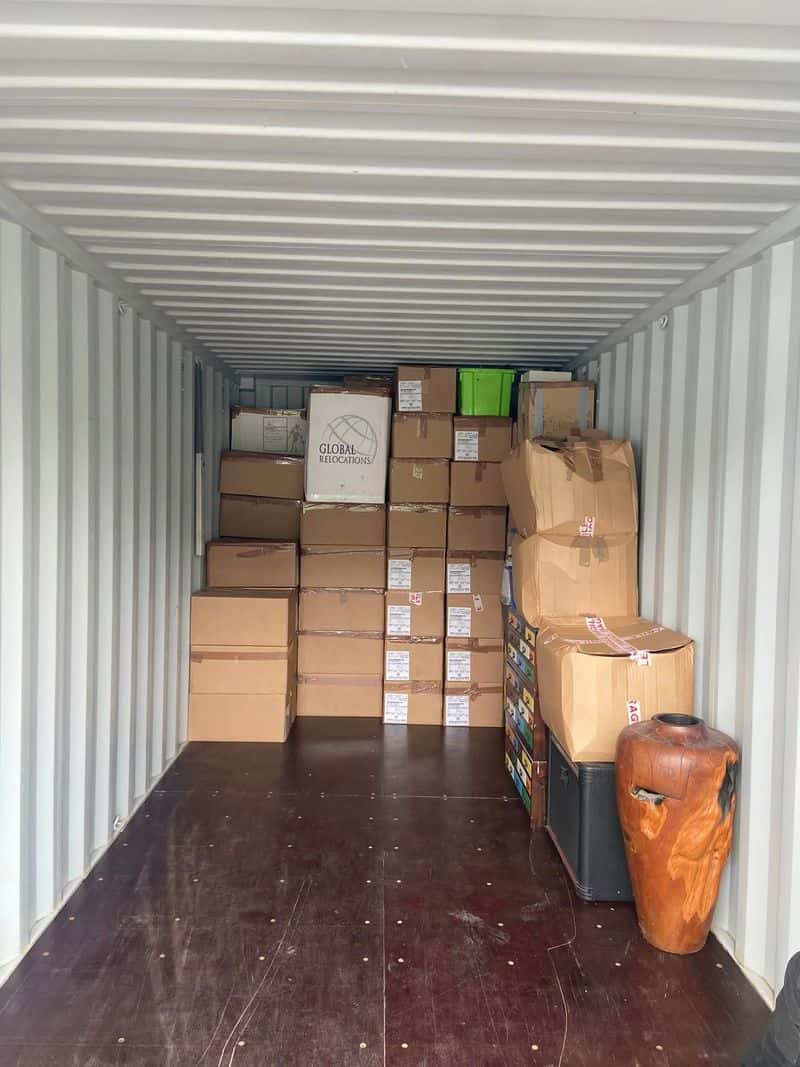
A Packing Timeline for a Hassle-Free Move
Packing is often the part of moving that people underestimate, and a simple packing timeline takes most of the pressure off. It looks straightforward at first. However, rushed packing can lead to broken items, missing essentials, and unnecessary stress on moving day. A well-packed home is easier to load, unload, and settle into at the other end. This is especially important for long-distance removals, where your belongings will spend longer in transit. Every box needs to work harder.
The good news is that a smoother move is rarely about doing everything perfectly. It is about creating a practical system, starting early enough, and making sensible decisions about what to keep, how to protect it, and where it should go. Whether you are moving from a flat in town or a family home across counties, the best packing approach is always organised, deliberate, and realistic.
Start Earlier Than You Think You Need To
The easiest way to make packing feel manageable is to stop treating it as a single job. Break it into stages and begin with the things you use least. Books, seasonal clothing, spare linens, decorative items, and rarely used kitchenware can often be packed well before the final week.
Creating a simple timeline helps. Instead of waiting for a free weekend and trying to do everything at once, aim to complete one clear task at a time. That could mean one cupboard, one room, or one category of belongings. Momentum matters more than intensity.
- Three to four weeks before the move: Declutter and begin packing non-essential items.
- Two weeks before the move: Focus on most rooms, leaving only daily-use items unpacked.
- Final week: Pack essentials, confirm labels, and prepare items for loading order.
This is also the right point to be honest about what should not move with you. Packing and transporting things you no longer need costs time, effort, and space. Donations, recycling, and responsible disposal can make the whole move lighter.
Choose Packing Materials That Suit the Journey
Not every box is fit for every item. One of the most common mistakes is overfilling large boxes with heavy contents or using weak cartons that collapse under pressure. For most moves, the simplest rule is this: heavy items go in smaller boxes, while lighter items can go in larger ones.
For households preparing for long distance removals, durability matters more than convenience. Double-walled boxes, strong tape, packing paper, and proper wrapping materials are worth using because they reduce shifting, crushing, and accidental damage during loading and transit.
- Small boxes: Books, tools, canned food, and other dense items.
- Medium boxes: Toys, folded clothes, kitchenware, and mixed household goods.
- Large boxes: Bedding, cushions, lampshades, and other lightweight items.
- Special protection: Use bubble wrap, paper, blankets, or towels for fragile pieces.
If you are using a professional team, ask in advance how they prefer items to be packed and labelled. A reliable local company such as TDN Removals, serving Corby and wider Northamptonshire, can usually advise on practical preparation without overcomplicating the process.
Pack by Room, but Label by Destination and Priority
Packing room by room keeps things orderly, but labelling should go a step further. A box marked only “kitchen” is better than nothing. However, a box marked “kitchen
- plates
- lower cupboards” is far more useful when you are unpacking in a new home. Add a priority note where needed, such as open first, fragile, or store upstairs.
This approach helps everyone involved, from family members to movers, and cuts down on the endless box-opening that often follows a move. Colour coding with tape or stickers can also help, especially in larger properties.
Packing Checklist
| Area | What to Pack First | What to Leave Until Last |
|-------------|---------------------------------------------|----------------------------------------|
| Bedroom | Out-of-season clothes, spare bedding, décor | Daily clothing, toiletries, chargers |
| Kitchen | Serving dishes, small appliances, rarely used utensils | Kettle, mugs, basic cookware, cleaning items |
| Living Room | Books, ornaments, media, artwork | Remote controls, current electronics, lamps in use |
| Bathroom | Spare towels, backup supplies | Daily toiletries, medication, essentials bag |
Try to avoid mixing unrelated items in the same carton unless absolutely necessary. A “miscellaneous” box tends to become a problem later. When boxes contain similar items and clear labels, unpacking becomes faster and much less frustrating.
Give Fragile, Valuable, and Awkward Items Extra Attention
Fragile items need more than a “handle with care” label. Plates should be wrapped individually and packed vertically rather than stacked flat. Glassware should be cushioned inside and around the box. Empty space should be filled so contents cannot move around in transit.
Electronics benefit from a little planning too. If you still have the original packaging, use it. If not, take photos of cable setups before disconnecting everything. Place cords, remotes, and accessories in clearly labelled bags. Keep important documents, jewellery, and sentimental items with you rather than burying them in the moving load.
Large or awkward pieces deserve just as much thought. Disassemble furniture where practical, keep screws and fittings in sealed bags, and tape those bags securely to the item or place them in a labelled hardware box. Protect corners, wrap surfaces that scratch easily, and measure doorways if access is tight. A few careful steps at this stage can prevent damage and delays on moving day.
Prepare an Essentials Box and Finish with a Calm Final Check
The most useful box in the house is the one you open first. Your essentials box should travel with you or be loaded last for easy access. It should contain the things you will need immediately, rather than the things you assume you can find later.
- Toiletries and medication
- Phone chargers and basic electronics
- Kettle, tea or coffee, mugs, and snacks
- Important documents and keys
- Basic cleaning supplies
- A change of clothes and nightwear
- Children's or pets' immediate essentials, if needed
Before the van arrives, do a proper walk-through of the property. Check cupboards, loft spaces, sheds, drawers, and appliance interiors. Make sure every box is sealed, labelled, and stackable. Keep pathways clear and set aside anything that should not be loaded.
The best moves are not always the quickest; they are the ones that feel controlled from start to finish. Good packing creates that control. It protects your belongings, supports the people moving them, and makes your first evening in the new place far easier. If you are planning long-distance removals, taking the time to pack methodically is one of the smartest decisions you can make for a genuinely hassle-free move.
Remember, a well-organised move is a stress-free move!
If time runs short, our packing service can pack all or part of your home, and for longer journeys see our long distance removals.
Planning a move?
A fixed price from a fully insured team – we reply within 60 minutes, 7 days a week.